In Wyoming, you generally may express your religious beliefs publicly without legal consequences, so long as your expression does not infringe on others’ rights or violate legitimate time, place, and manner restrictions. Both federal and Wyoming constitutional protections strongly safeguard free speech and religious liberty, including in public spaces. While certain settings—such as workplaces or schools—have additional rules, Wyoming residents enjoy broad protections against government censorship, compelled speech, and viewpoint discrimination. This makes Wyoming one of the most protective environments in the nation for citizens seeking to live out their faith publicly.
As a statewide advocate headquartered in Cheyenne, WY, Wyoming Family Alliance works to preserve these freedoms and help residents understand how to exercise their rights confidently. Below is a practical guide to the intersection of free speech and religious expression in Wyoming, with key points for everyday citizens, faith-based organizations, and community leaders.
The Legal Foundation: Wyoming’s Protections for Free Speech and Religious Liberty
Wyoming’s Constitution provides strong and explicit protection for both free speech and the free exercise of religion. Article 1, Sections 18 and 20 work together to ensure that government may not control, limit, or penalize peaceful religious expression. These state-level protections operate alongside the First Amendment of the U.S. Constitution, giving Wyoming residents two layers of defense against governmental overreach.
For a deeper look at the state framework, Wyoming Family Alliance maintains a comprehensive guide to relevant statutes and constitutional provisions. Residents can explore these resources at Wyoming Religious Freedom Laws
and Religious Freedom
on wyomingfamily.org.
Public Forums: Speaking Freely in Parks, Sidewalks, and Civic Spaces
Wyoming residents may publicly express religious beliefs in traditional public forums such as sidewalks, parks, and other open civic spaces. These rights are well established under First Amendment jurisprudence and have been repeatedly affirmed by the courts.
Government may impose reasonable time, place, and manner restrictions, but it may not
suppress speech because of its religious nature or viewpoint. If citizens may speak on a topic from a secular perspective, they may speak from a religious perspective as well. This principle—known as viewpoint neutrality—is a cornerstone of constitutional free speech law and is fully applicable in Wyoming.
Viewpoint Discrimination: What Wyomingites Should Know
Viewpoint discrimination occurs when the government favors one perspective over another. Under both federal and Wyoming constitutional rules, this is almost always prohibited. Whether you are sharing a faith-based perspective at a community meeting, distributing literature, or participating in peaceful public expression, the government cannot silence or punish you simply because of your religious viewpoint.
Wyoming’s legal culture, characterized by a strong respect for constitutional freedoms, helps protect residents from such violations—but knowing your rights ensures you can identify and report discrimination should it arise.
Compelled Speech: Lessons from 303 Creative and Its Relevance in Wyoming
In the landmark 2023 U.S. Supreme Court case 303 Creative v. Elenis, the Court held that the government may not compel individuals or businesses to create expressive content that violates their sincerely held beliefs. Although the case arose in Colorado, its holding applies nationwide—including in Wyoming.
For Wyoming residents, this means the government cannot force a person or expressive business to produce messages that contradict their religious convictions. Creative professionals, faith-based nonprofits, and others who engage in expressive work may decline to create or endorse messages they do not believe in, so long as they do not discriminate based on a customer’s protected class rather than the requested message. Wyoming Family Alliance continues to monitor national and state developments to ensure these principles remain secure for residents.
Workplace Expression: Your Rights on the Job
Religious expression in the workplace is protected under Title VII of the Civil Rights Act and applicable Wyoming employment laws. While employers may set reasonable rules to maintain productivity and professionalism, they must also accommodate sincerely held religious beliefs unless doing so would create undue hardship.
This can include allowing private prayer, wearing religious clothing or symbols, or discussing faith with willing colleagues. Employers cannot retaliate against employees for their beliefs or require them to affirm messages that conflict with their convictions—an extension of the same compelled speech principles recognized in 303 Creative.
Schools and Educational Settings: Rights for Students, Parents, and Educators
In Wyoming’s public schools, students retain significant First Amendment rights. They may pray individually or in groups (so long as the activity is student-led), express religious viewpoints in assignments where personal expression is invited, and start faith-based clubs on equal terms with other student organizations.
Teachers and staff must remain neutral in their official capacity, but they may express religious beliefs privately or outside instructional duties. Parents also maintain strong rights under Wyoming law to guide the upbringing and education of their children, forming part of the broader framework of educational freedom championed by Wyoming Family Alliance.
Faith-Based Organizations and Public Services
Wyoming has a long tradition of respecting the autonomy of churches and faith-based nonprofits. These organizations may hire based on shared beliefs, maintain religious standards, and participate in public programs on equal footing with secular organizations. The state’s legal environment is particularly protective of conscience rights relating to hiring, service provision, and the internal governance of ministries.
For many Wyoming families and congregations, these protections are central to their ability to serve their communities with integrity. Wyoming Family Alliance advocates to ensure these long-standing legal principles continue to thrive in the state’s legislative landscape.
FAQ
Can I pray publicly in Wyoming?
Yes. Public prayer is protected speech. Government may not prohibit peaceful, non-disruptive prayer in public spaces.
Can a Wyoming business owner decline to produce content that violates their beliefs?
In most cases, yes. Under 303 Creative and First Amendment principles, expressive businesses cannot be required to produce messages that contradict their religious convictions.
Can public officials restrict religious speech at community meetings?
No. They may impose neutral rules on meeting conduct, but they cannot suppress religious viewpoints while allowing comparable secular viewpoints.
Do students have religious expression rights in Wyoming schools?
Absolutely. Students may pray, share their beliefs, and express religious viewpoints in assignments and extracurricular activities, within reasonable parameters.
Where can I learn more about Wyoming’s religious liberty laws?
Wyoming Family Alliance provides detailed resources at Wyoming Religious Freedom Laws
and Religious Freedom.
To stay informed and help defend religious freedom across our state, we invite you to join Wyoming Family Alliance’s religious freedom action network at wyomingfamily.org.
About the Author
Gena Konrad-Cone
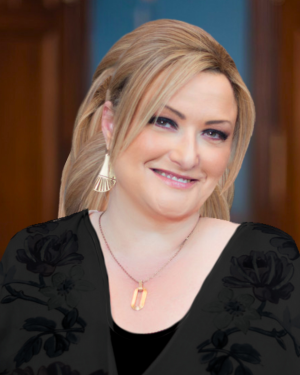
Gena Konrad-Cone is a Cheyenne, Wyoming resident, writer, and contributor to Wyoming Family Alliance. The daughter of a Baptist pastor, Gena brings a lifelong foundation in faith, education, and civic conviction to her writing.